Posts

Rare Undiagnosed Day

Image
                          Undiagnosed Rare Disease  Undiagnosed’ refers to a disease for which a diagnostic test isn't however accessible; the disease has not been characterised and the cause isn't however recognized. This patient can also be misdiagnosed as the condition can be mistaken for others. These conditions are too likely to be rare. Rare diseases affect an estimated 2-4% of the population. A likely next step is whole genome sequencing, a diagnostic technique that over the last decade has significantly bolstered the effort to identify undiscovered diseases. A different approach is to search for patients with similar hereditary abnormalities and similar side effects. Determining the cause of a disease is often a victory in its own right for people who’ve spent years trying to figure out what’s wrong with their bodies. For awareness among people we celebrated Rare undiagnosed Day on April 29...
Image
                                           Rare Autoimmune Diseases   The autoimmune diseases known to exist, it could be said that the majority of them are considered uncommon, which unfortunately also means there's relatively small information out there reporting exactly how rare. Other immune system infections, such as Sjogren’s syndrome, systemic vasculitis, vasculitis limited to the skin, systemic sclerosis, polymyositis/dermatomyositis, and other systemic inclusion of connective tissue, are generally uncommon in ladies of childbearing age. Connective tissue diseases are disorders featuring abnormalities including the collagen and elastin. Connective tissue infections are frequently characterized by a variety of immune abnormalities that are common for each particular sort of illness. Mixed connective tissue disease (MTCD) is a rare inflammatory rheumati...

Brain-Eating Amoeba

Image
                                     Naegleriasis - Brain-eating amoeba  Naegleriasis is also known as Primary amebic meningoencephalitis (PAM). PAM is caused by the free-living amoeba Naegleria fowleri and occurs most commonly in healthy children and young adults with recent recreational freshwater exposure, which is ordinarily lethal. Transcendently living in the freshwater lakes, streams and warm waters of the hot springs, it can get into the body through the nose, when the contaminated water is persuasively aspirated during swimming or other water sports like diving, skiing etc. In spite of the fact that contamination occurs rarely, it nearly always results in death with a case fatality rate greater than 95%. The rarity of the disease makes it difficult to diagnose Naegleriasis in the starting stages. Almost 75% of in...

Rare Bone Disease

Image
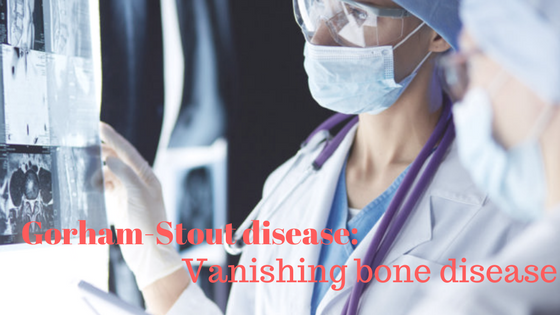
                                                           Vanishing bone disease Rare bone disease called Gorham-Stout disease, In which patients experience abnormal development of blood vessels and lymphatic vessels that overwhelm and penetrate bone tissue, gigantic osteolysis, and more than a half-dozen other terms in the medical literature, is a uncommon bone disorder characterized by osteolysis and the proliferation of lymphatic vessels, Causing it to break down, also known as "vanishing bone disease," and it's an extremely rare condition. Gorham disease is thought to be non-hereditary and there is no perceived gender preference. It can possibly happen in any age group although most reported cases have been in youthful adults. When GSD affects the maxillofacial area, pain, loose teeth, fractures and facial distortion ...

Rare Infectious Disease

Image
                            Q fever – Query fever   Q fever is an uncommon bacterial infection transmitted from animals to people. It can be acute or chronic, and the chronic type can be fatal. Q fever, also called query fever, is caused by the microbes Coxiella burnetii. The bacteria are most commonly found in cattle, sheep, and goats around the world. More serious or chronic shapes of Q fever can be treated with antibiotics. Those at risk for Q fever can prevent the illness by disinfecting sullied regions and washing their hands thoroughly. The highest amounts of microbes are found in the "birth products" (placenta, amniotic fluid) of infected animals. Transplant recipients, patients with cancer, and patients with chronic kidney disease are at increased risk of creating chronic Q fever. Symptoms do not promptly recommend the conclusion of Q fever. The infection may cause mild symptoms similar to the f...
Image
                             Pfeiffer syndrome: premature fusing of the skull As a baby develops in the womb, the cranium bones fuse together. In Pfeiffer syndrome, these bones combine too early. Pfeiffer disorder is an autosomal dominant condition classically combining craniosynostosis with advanced anomalies of the hands and feet. The cause of Pfeiffer disorder is a transformation of the genes capable for pre-birth bone development. This mutation speeds up bone development, causing the skull to fuse prematurely. Three forms of Pfeiffer disorder are recognized, of which types II and III are the more severe. Most affected people also have differences to their midface and conductive hearing loss. Treatment starts at birth once an accurate diagnosis is made. No medications can invert Pfeiffer disorder, but treatment can manage particular side effects of this condition. Typically, a child's skull bones ...

CYSTIC FIBROSIS

Image
Transitioning from Childhood to Adulthood with Cystic Fibrosis Currently, almost 50% of all patients with cystic fibrosis are more established than 18 however changing from youth and puberty to adulthood may not be simple. Youth is itself a confused time with various changes. On account of CF patients, every one of these progressions should be adjusted with side effects, medicines, considers, work, family, feelings, and social life.  “The psychosocial and mental side of cystic fibrosis in youths and grown-ups” exhibit that the mental and psychosocial functioning of individuals with cystic fibrosis is like that of well people - until the diseases become severe. However, there is also prove that patients do endure an improved probability of mental issues, for example, depression, and of scoring ineffectively on physical working measures of personal satisfaction. The ascent in side effects is joined by the change toward dealing with their own particular medicines. Pati...